
| Whole Machine Power | 30+45 kw |
| Max. Spaying Height | 16 m |
| Max. Spaying Distance | 13.5 m |

| Whole Machine Power | 30+37 kw |
| Max. Spaying Height | 16 m |
| Max. Spaying Distance | 13.5 m |

| Whole Machine Power | 30+45 kw |
| Max. Spaying Height | 16 m |
| Max. Spaying Distance | 13.5 m |

| Max. Maximum Capacity | 12 m³/h |
| Conveying Pressure | 8 Mpa |
| Max. Vertical Conveying Distance | 20 m |

| Max. Dry Spraying Capacity | 7 m³/h |
| Max. Wet Spraying Capacity | 3-4 m³/h |
| Max. Vertical Conveying Distance | 15 m |

| Max. Dry Spraying Capacity | 7 m³/h |
| Max. Wet Spraying Capacity | 3-4 m³/h |
| Max. Vertical Conveying Distance | 15 m |

| Max. Spraying Capacity | 5 m³/h |
| Recommended Cement-Sand Ratio | 1:3-5 |
| Max. Vertical Conveying Distance | 20 m |

| Max. Spraying Capacity | 7 m³/h |
| Recommended Water-Cement Ratio | ≤ 0.4 |
| Max. Vertical Conveying Distance | 35 m |

| Max. Dry Spraying Capacity | 7 m³/h |
| Max. Wet Spraying Capacity | 3-4 m³/h |
| Max. Vertical Conveying Distance | 15 m |

| Max. Theoretical Maximum Capacity | 8-12 m³/h |
| Conveying Pressure | 8 Mpa |
| Max. Vertical Conveying Distance | 20 m |

| Max. Theoretical Maximum Capacity | 4-23 m³/h |
| Number Of Nozzles | 2 piece |
| Max. Vertical Conveying Distance | 20 m |
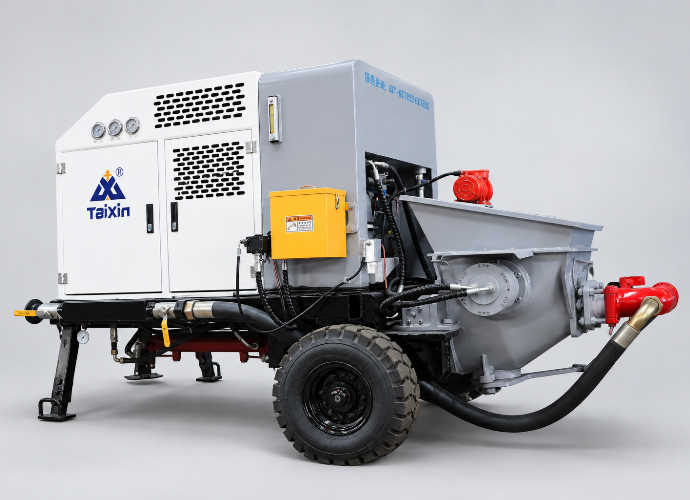
| Theoretical Mortar Conveying Capacity | 2-7 m³/h |
| Mortar Conveying Pressure | 3 MPa |
| Max. Vertical Conveying Distance | 20 m |
Choosing The Right Shotcrete Machine
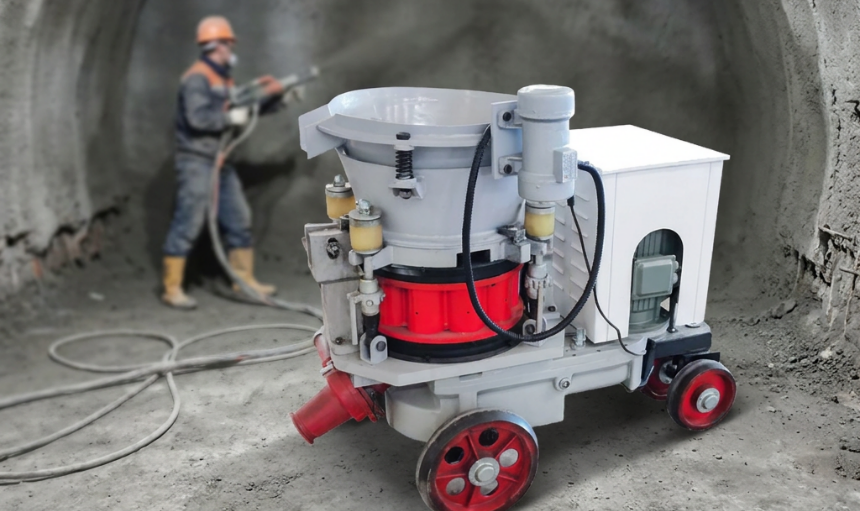
Dry shotcrete machines
Mixing cement and aggregate dry, adding water at the nozzle — lower upfront cost, easier to transport, better for smaller or intermittent jobs and repair work.
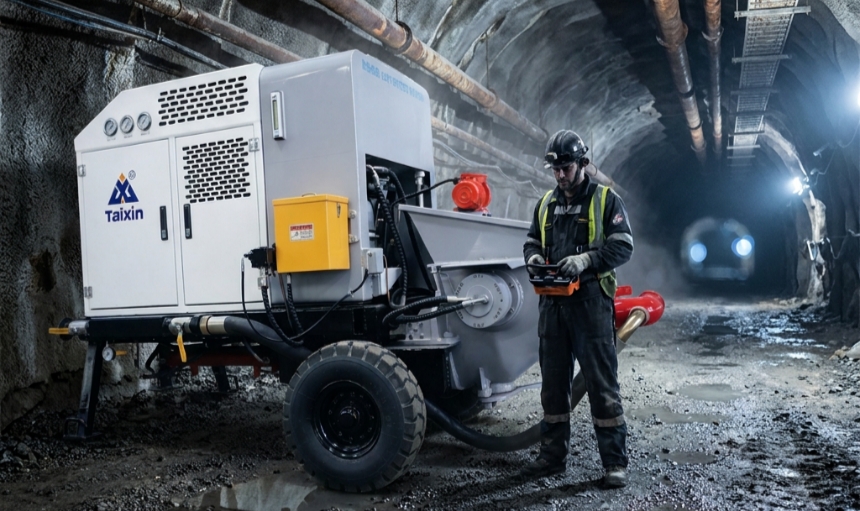
Wet shotcrete machines
Pump pre-mixed concrete to the nozzle — more consistent quality, less dust and material waste, better suited to large-volume, continuous spraying such as tunnel linings.
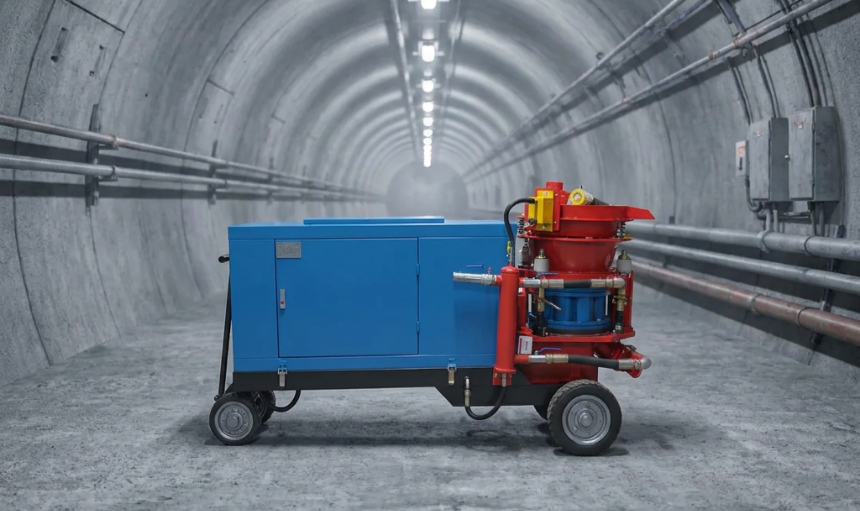
Wet And Dry Shotcrete Machines
Switch between wet-mix and dry-mix spraying on the same unit — useful when one project needs both, for example dry mix for smaller repair or patching work and wet mix for high-volume tunnel lining, without buying two separate machines.
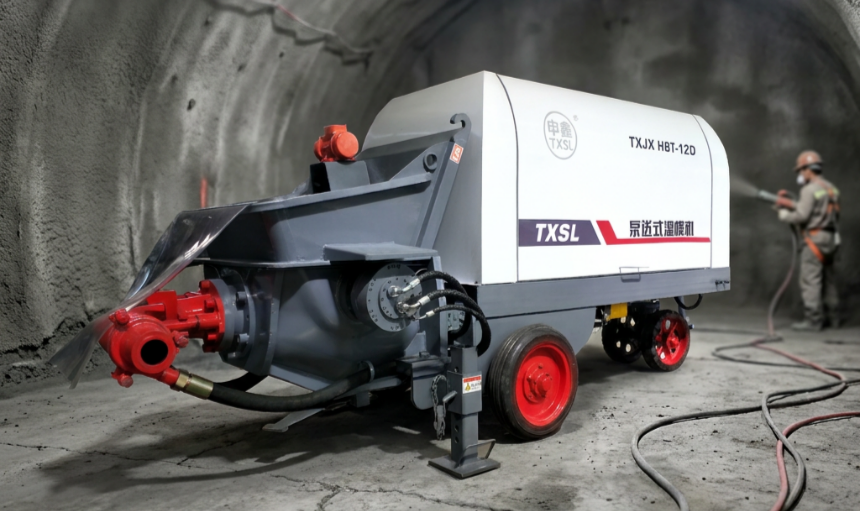
Diesel-powered shotcrete machines
Run on their own onboard engine rather than relying on external electricity or a compressed air supply — a practical choice for remote sites or projects without reliable grid power. Worth noting: underground/tunnel use needs proper ventilation for engine exhaust.
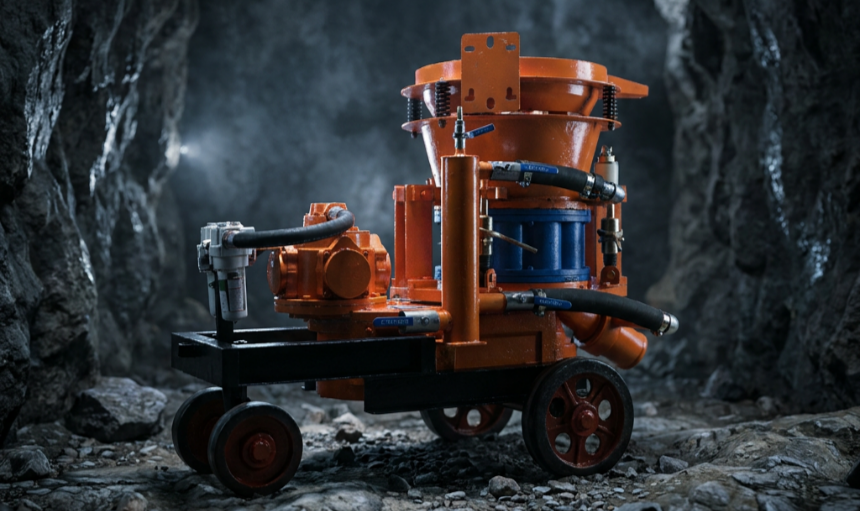
Pneumatic (air-powered) shotcrete machines
Run off compressed air rather than an onboard diesel engine — a good fit where a compressed air source is already available on site, such as underground mines.
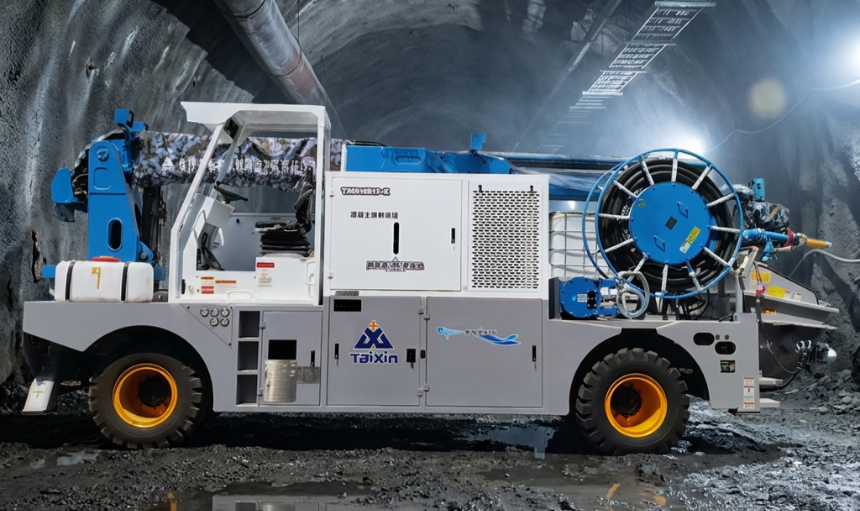
Truck/vehicle-mounted manipulators
Combine a spraying arm with vehicle mobility for large tunnel sections and high-output projects where reach and speed matter most.